Media Attention Volumes and Statistical Recognition Patterns Among Top Athletes in Football, Basketball, Soccer, and Combat Sports
Written by Frankie Müller · Oct 19, 2026
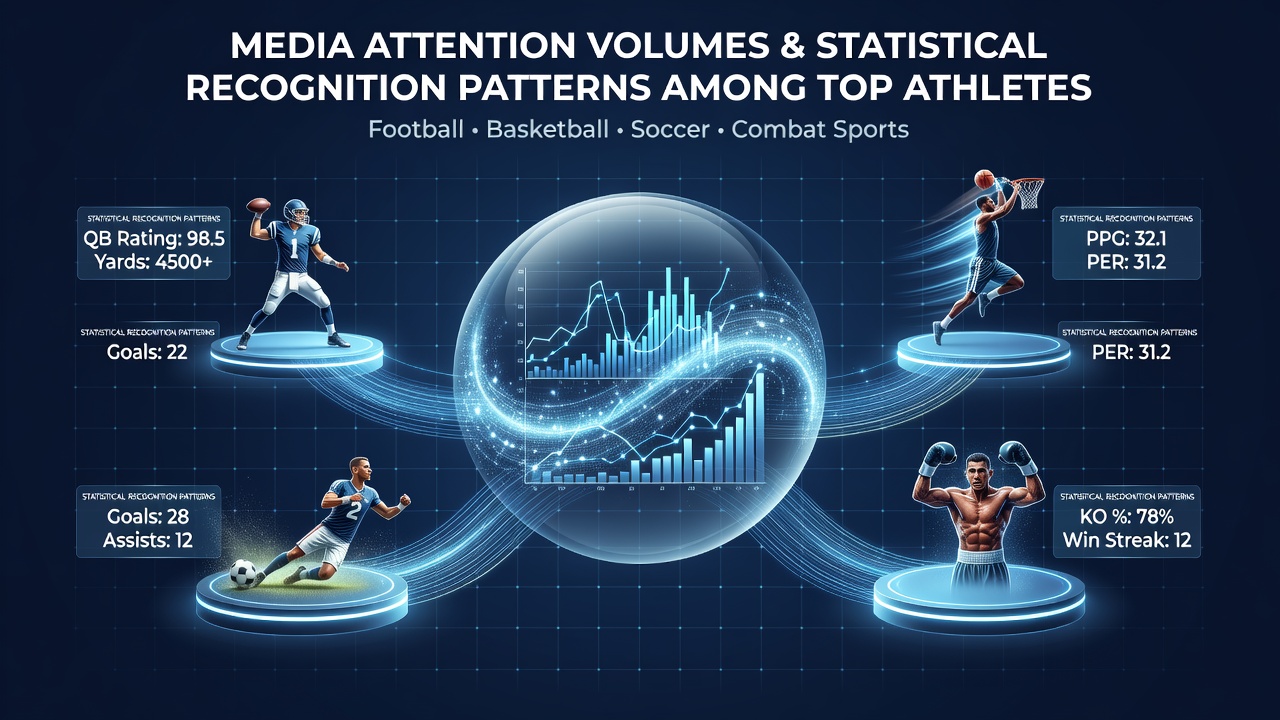
Media Attention Volumes and Statistical Recognition Patterns Among Top Athletes in Football, Basketball, Soccer, and Combat Sports
Media coverage volumes connect directly to statistical recognition patterns across football, basketball, soccer, and combat sports, where data from multiple leagues shows athletes receiving elevated attention often appear more frequently in season summaries and highlight reels. Researchers tracking these trends note that recognition metrics, such as mentions in official leaderboards or broadcast segments, rise in tandem with coverage spikes rather than remaining isolated to raw performance numbers alone.
League records from the past decade indicate patterns where quarterbacks in football accumulate passing yardage totals that gain wider statistical acknowledgment when national outlets increase segment airtime, and similar alignments appear in basketball with scoring averages that receive amplified visibility during high-attention playoff stretches. Soccer leagues demonstrate comparable links, as goal tallies from forwards draw repeated references in international reports once media cycles intensify around specific tournaments or rivalries.
Cross-Sport Data Patterns in Recognition Metrics
Studies compiled by sports analytics groups reveal consistent correlations between attention volumes and how statistical achievements register in public records, including end-of-season awards and historical comparisons. In combat sports, for instance, knockout rates and fight win streaks gain extended documentation in sanctioning body reports when promotional coverage expands, whereas lower-attention bouts show more contained statistical entries limited to basic fight cards.
October 2026 data from ongoing seasons continues to reflect these ties, with basketball players posting double-digit assist figures seeing their numbers referenced across more platforms during periods of concentrated reporting. Observers note that football defensive stats, such as sack totals, follow parallel routes where media focus on specific teams elevates those figures into broader recognition frameworks used by record keepers.
Football and Basketball Specific Alignments
Football organizations maintain extensive databases that track how media-driven narratives influence which statistical milestones enter official highlight compilations, and basketball associations report parallel outcomes where rebounding or three-point percentages achieve higher placement in seasonal overviews following coverage surges. These patterns hold across multiple conferences and professional circuits, where attention volume serves as a measurable factor in statistical dissemination rather than performance existing in isolation.
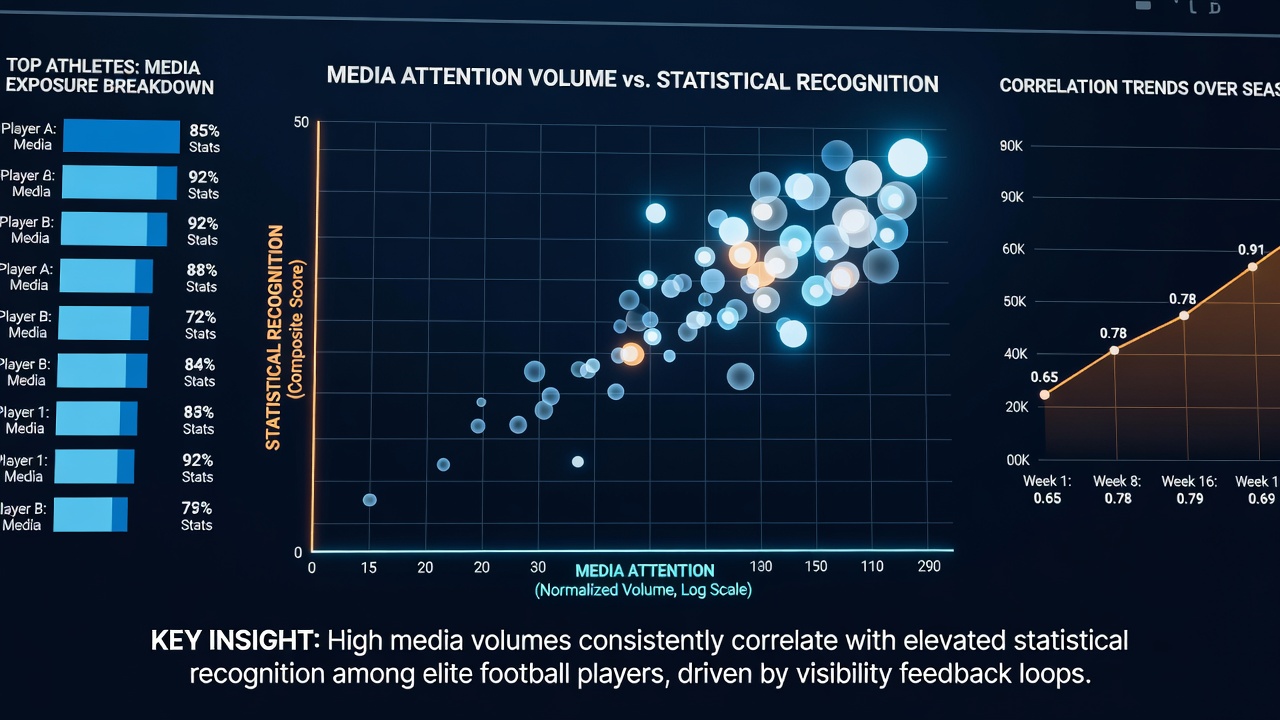
Soccer and Combat Sports Recognition Trends
Soccer federations across various continents document how assist and clean sheet statistics enter wider circulation once international media outlets allocate additional airtime or column space, creating measurable upticks in how those numbers factor into player evaluations. Combat sports governing bodies show corresponding developments, where punch accuracy percentages and takedown defenses receive extended archival treatment during intervals of heightened promotional activity.
Evidence from multi-year tracking indicates these recognition patterns persist regardless of individual athlete nationality or league location, pointing to attention volume as a recurring variable in statistical visibility. Those monitoring the intersections find that soccer midfielders accumulating high pass completion rates experience greater inclusion in tactical breakdowns when coverage volumes increase, mirroring trends observed in boxing and mixed martial arts weight classes.
Broader Implications for Statistical Archives
Academic reviews of league archives demonstrate that media attention volumes shape the pathways through which statistical data transitions from raw numbers to recognized benchmarks used in historical rankings and comparative analyses. Sports Business Journal reports on these dynamics across professional circuits, highlighting measurable differences in how statistics appear in syndicated content during peak versus off-peak attention periods.
Additional examinations from European sports research centers confirm the same linkages extend into soccer and combat disciplines, where recognition frequency correlates with coverage density rather than standing apart from it. Data sets maintained by these organizations illustrate the process through which certain performance indicators enter permanent records more readily under sustained media scrutiny.
Conclusion
Overall patterns across football, basketball, soccer, and combat sports establish clear connections between media attention volumes and the extent to which statistical achievements achieve recognition in official and broadcast contexts. League data through October 2026 continues to support these observations, showing that attention levels function as an integrated element in how performance metrics gain lasting placement in sports documentation systems.